
History
Sri Lanka’s Coffee Story: Heritage, Collapse, and Rebirth.
History
Sri Lanka’s Coffee Story: Heritage, Collapse, and Rebirth.
Origins
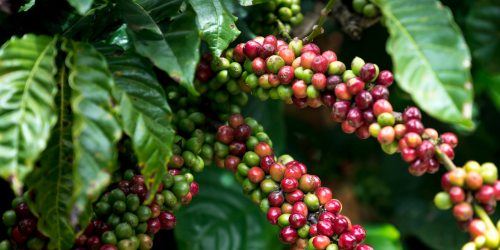
Coffee first arrived in Sri Lanka in the early 17th century, likely brought by Muslim pilgrims travelling from Yemen via India. While small-scale cultivation existed, it was under British colonial rule in the early 1800s that coffee became a major crop. By the 1860s, vast areas of the central highlands—Kandy, Nuwara Eliya, and Badulla—were cleared for plantations. Ceylon quickly rose to become the third-largest coffee producer in the world, trailing only Brazil and the Dutch East Indies.
The Great Coffee Collapse
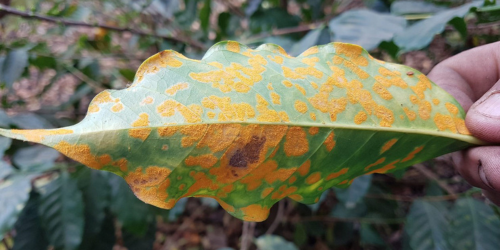
In 1869, disaster struck. A fungal disease known as coffee leaf rust (Hemileia vastatrix) spread rapidly across plantations. Within decades, the once-thriving industry was devastated. By 1900, land under coffee cultivation had shrunk from 275,000 acres at its peak to just over 11,000 acres.

Tea Takes the Throne
As coffee declined, planters turned to tea. Led by pioneers like James Taylor, tea cultivation flourished and soon became Sri Lanka’s defining export. The island’s global identity shifted from “Ceylon Coffee” to “Ceylon Tea,” a name still recognised worldwide today.
Coffee’s Survival
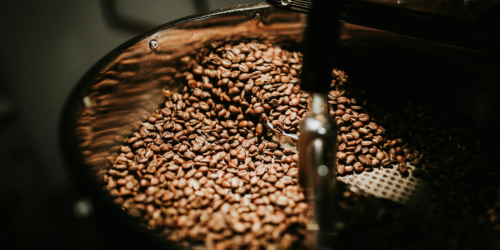
Despite the collapse, coffee never disappeared entirely. Smallholders continued to grow Arabica and Robusta on a limited scale, often shade-grown alongside other crops. This quiet persistence kept the tradition alive through the 20th century.

The Modern Revival
In recent years, Sri Lanka has witnessed a speciality coffee renaissance. Farmers in the central highlands are reintroducing Arabica, while local roasters in Colombo champion single-origin Sri Lankan beans. Sustainability, quality, and heritage now define the new wave of Sri Lankan coffee, reconnecting the island with its forgotten legacy.
Origins
Coffee first arrived in Sri Lanka in the early 17th century, likely brought by Muslim pilgrims travelling from Yemen via India. While small-scale cultivation existed, it was under British colonial rule in the early 1800s that coffee became a major crop. By the 1860s, vast areas of the central highlands—Kandy, Nuwara Eliya, and Badulla—were cleared for plantations. Ceylon quickly rose to become the third-largest coffee producer in the world, trailing only Brazil and the Dutch East Indies.
The Great Coffee Collapse
In 1869, disaster struck. A fungal disease known as coffee leaf rust (Hemileia vastatrix) spread rapidly across plantations. Within decades, the once-thriving industry was devastated. By 1900, land under coffee cultivation had shrunk from 275,000 acres at its peak to just over 11,000 acres.
Tea Takes the Throne
As coffee declined, planters turned to tea. Led by pioneers like James Taylor, tea cultivation flourished and soon became Sri Lanka’s defining export. The island’s global identity shifted from “Ceylon Coffee” to “Ceylon Tea,” a name still recognised worldwide today.
Coffee’s Survival
Despite the collapse, coffee never disappeared entirely. Smallholders continued to grow Arabica and Robusta on a limited scale, often shade-grown alongside other crops. This quiet persistence kept the tradition alive through the 20th century.